
Every purchase matters. Check data with the Axtrace Digital Product Passport (DPP) by Axelote
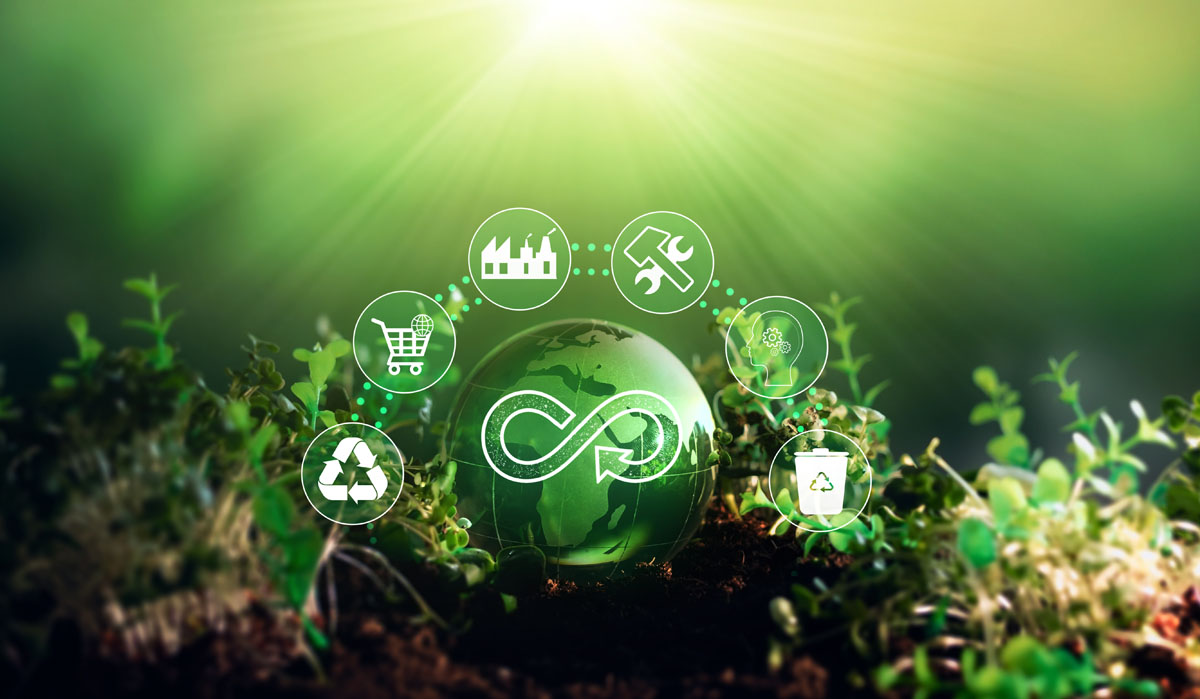
In a world where climate change, resource shortages, and environmental degradation are becoming everyday realities, environmental awareness is gaining importance. One of the key concepts that help make more responsible purchasing decisions is the product’s environmental footprint. What exactly is it, and why should it matter to all of us?
The Product Environmental Footprint (PEF) is a measure of a product’s impact on the natural environment throughout its entire lifecycle. It includes greenhouse gas emissions, water, energy, and raw material consumption, waste generation, and other impacts — from raw material extraction to disposal.
Most often, the environmental footprint is measured in three main categories:
• Carbon footprint — the amount of CO₂ and other greenhouse gas emissions.
• Water footprint — the volume of fresh water used at each stage of the product’s life.
• Material footprint — the amount of natural resources consumed.
Example 1 — cotton t-shirt:
• Producing one t-shirt uses around 2,700 litres of water (growing cotton, dyeing, manufacturing).
• Carbon footprint emissions: about 6–10 kg CO₂.
• Materials: mostly cotton, fertilizers, chemicals — impact on soil and water.
Example 2 — laptop:
• Carbon footprint emissions: about 200–400 kg CO₂ over the entire lifecycle.
• Water footprint: approximately 190,000 litres of water (metal mining, production, data center cooling).
• Materials: aluminum, lithium, plastic — significant impact on natural resources.
Every purchase matters. Check data with the Axtrace Digital Product Passport (DPP) by Axelote
Everyday purchases — clothing, electronics, toys — all have hidden environmental consequences. By knowing a product’s environmental footprint:
• You can choose more sustainable products.
• You support manufacturers that invest in eco-innovation.
• You reduce your own annual ecological footprint.
An example? If you buy a used or certified eco-friendly t-shirt instead of a new one, you can save up to 80% of water and cut CO₂ emissions by half.
Axctrace DPP — the Digital Product Passport (DPP) — enables quick and transparent checking of information about any product. Just scan a QR code or RFID to learn:
• how much CO₂ the product generated,
• how much water was used for its production,
• which materials were used,
• whether the product can be recycled or repaired.
Transparent data is power — it gives consumers a real ability to influence the world through everyday purchases. Thanks to solutions like Axtrace and business partnerships, we create a new quality on the market: products that are truly responsible, not just ones that "look" eco-friendly.
The environmental footprint is about concrete numbers, but also about real change that we can make together. By choosing consciously, we choose the future. We choose ourselves.


Stay up to date
Subscribe to our newsletter to receive the latest updates


